
Dance is an
ancient cultural tradition in India. The Indian art of dance is the expression
of inner beauty and divine self. Being a classical dancer, I was always curious
to know about the origin of Indian classical dance. When I looked into the
history of Indian dance, I found that the evidence of earliest dance related
texts are found in the text called ‘Natya Shastra’ which was written by Bharat Muni. The title
‘Natya Shastra’ consists of two words, ‘Natya’, which means to act or represent
and ‘Shastra’, which refers to manual, book or treatise. ‘Natya Shastra’ is a Sanskrit
text on performing arts. Its most studied version consists of 6000 poetic
verses divided into 36 chapters describing performing art. The estimation of
the composition date of ‘Natya Shastra’ varies between 500BCE to 500CE. Indian
dance tradition has roots in the aesthetics of ‘Natya Shastra’.
India is a
huge country with rich traditions and customs. Different forms of dance
originated in different parts of India and developed according to local
traditions and cultures. Generally, Indian dance can be classified into two
broad categories. They are folk dance and classical dance.
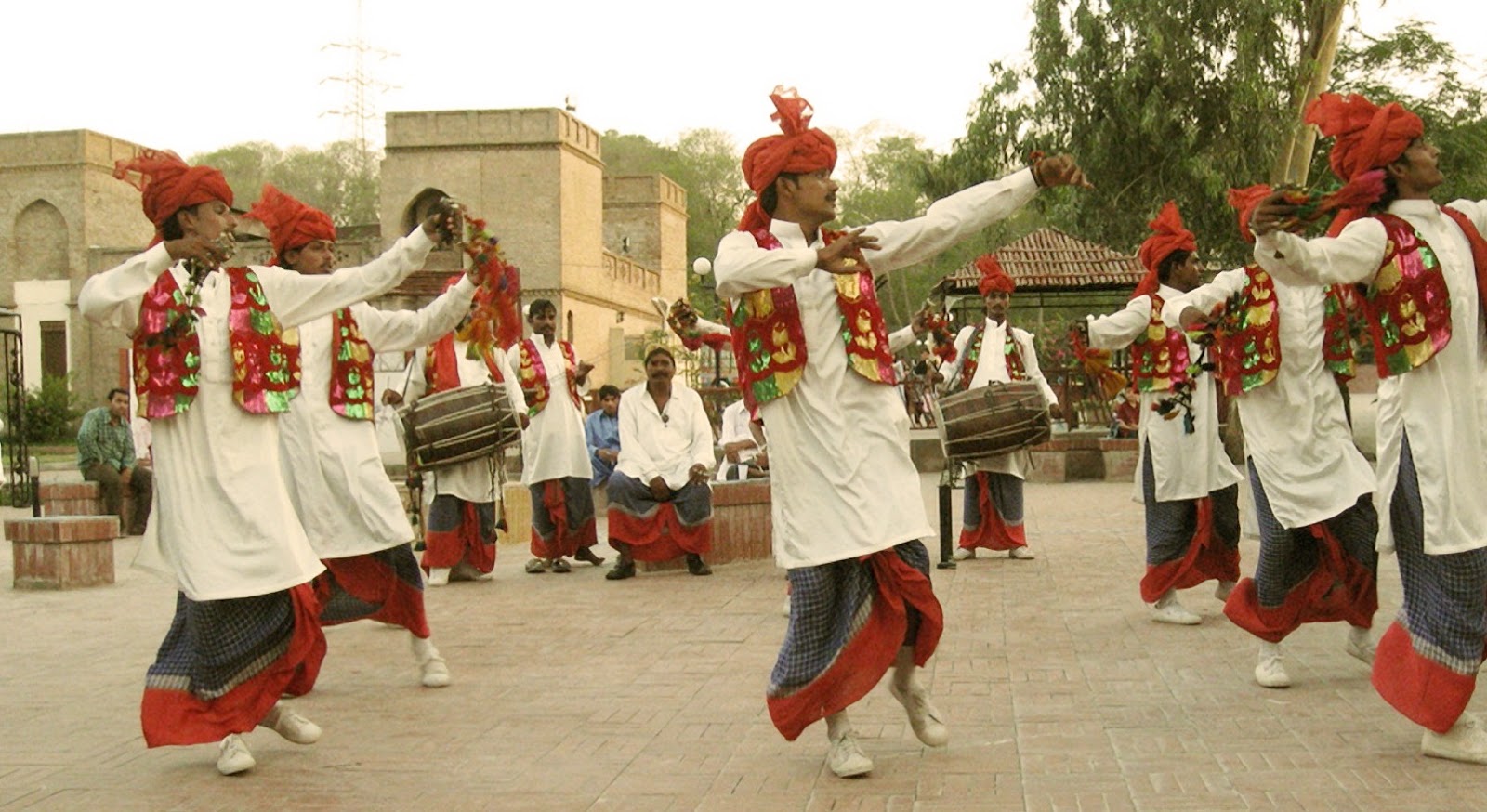
A folk dance
is one whose traditions have been learnt and mostly passed down from one
generation to the next generation through word of mouth and casual joint
practice. It is a simple dance with minimum steps or movement and is usually performed
by people to express joy and happiness. Folk dances are performed on different festivals
or occasions. For example, a wedding, birth of a child, arrival of a new
season, etc. Sometimes folk dance is exclusively performed by men or women
while sometimes it is performed by men and women together. Each folk dance form
has a specific costume with exclusive jewelry. Different states of India have
different folk dances such as Dandia and Garba of Gujarat, Bihu and Ojapali of
Assam, Fugdi and Dekhni of Goa, Chiraw of Mizoram, Lavni and Tamasha of
Maharashtra, Bhangra and Giddha of Punjab, Ghumar and Gangaur of Rajasthan,
etc.
Indian classical
dance has a deep rooted relationship with ‘Natya Shastra’. Its training,
theory, means and rationale for
expressive practice are documented and traceable to the ‘Natya Shastra’. According
to ‘Natya Shastra’ the performance of a classical dancer is considered
accomplished when it manages to evoke an emotion or ‘rasa’ among the audience
by invoking a particular gesture or facial expression called ‘bhava’. Most
classical dances enact stories from Hindu mythology and also represent the
culture and ethos of a particular region. Indian classical dancers follow
‘guru-shishya parampara’ .The guru [teacher] - shishya [student]-parampara
[tradition] rests on one simple principle : for a disciple, the guru is the
last word on the subject of dance. This is the ancient traditional methodology
used by guru to pass on their knowledge and experience through oral tradition
to his or her shishya so that they could propagate it and pass it on to the
next generation.

The national academy for performing arts
in India called ‘Sangeet Natya Academy’ recognizes eight traditional dances as
Indian classical dances. They are- Bharatanatyam from Tamil Nadu, Kathak from Uttar Pradesh, Kathakali from Kerala, Kuchipudi from Andhra Pradesh, Odissi from Odisha, Sattriya from Assam, Manipuri from
Manipur, Mohiniyattam from Kerala.
So we can
conclude that the main difference between Indian classical dance and Indian folk
dance is that Indian classical dance is regulated by the rules and guidelines
laid down in the ‘Natya Shastra’ where as Indian folk dance is not regulated by
the ‘Natya Shastra’. On the other hand folk dance represents the local
traditions and customs which are normally passed from one generation to the
other.
Hope my
quest for knowing more about the history of Indian dance enlightened you too.
Let’s dance and celebrate life.
Well researched..keep it up
ReplyDeleteThank you for your motivational feedback. Will keep posting more.
ReplyDeleteThis is great, very enlightening.
ReplyDeleteThank you for your encouraging feedback!
Delete